New Technologies Applied to Contemporary Art
Modern technologies like projection, LED screens, interactive floors, and virtual reality are revolutionizing contemporary art.
Art has undergone a revolution with the integration of various technologies, allowing artists to explore new forms of expression and create immersive experiences that were once unimaginable.
These technologies have not only expanded the reach of art but have also transformed the way viewers interact with works of art. In this article, we will explore how projection, LED screens, interactive floors, and lasers are shaping new worlds in contemporary art.
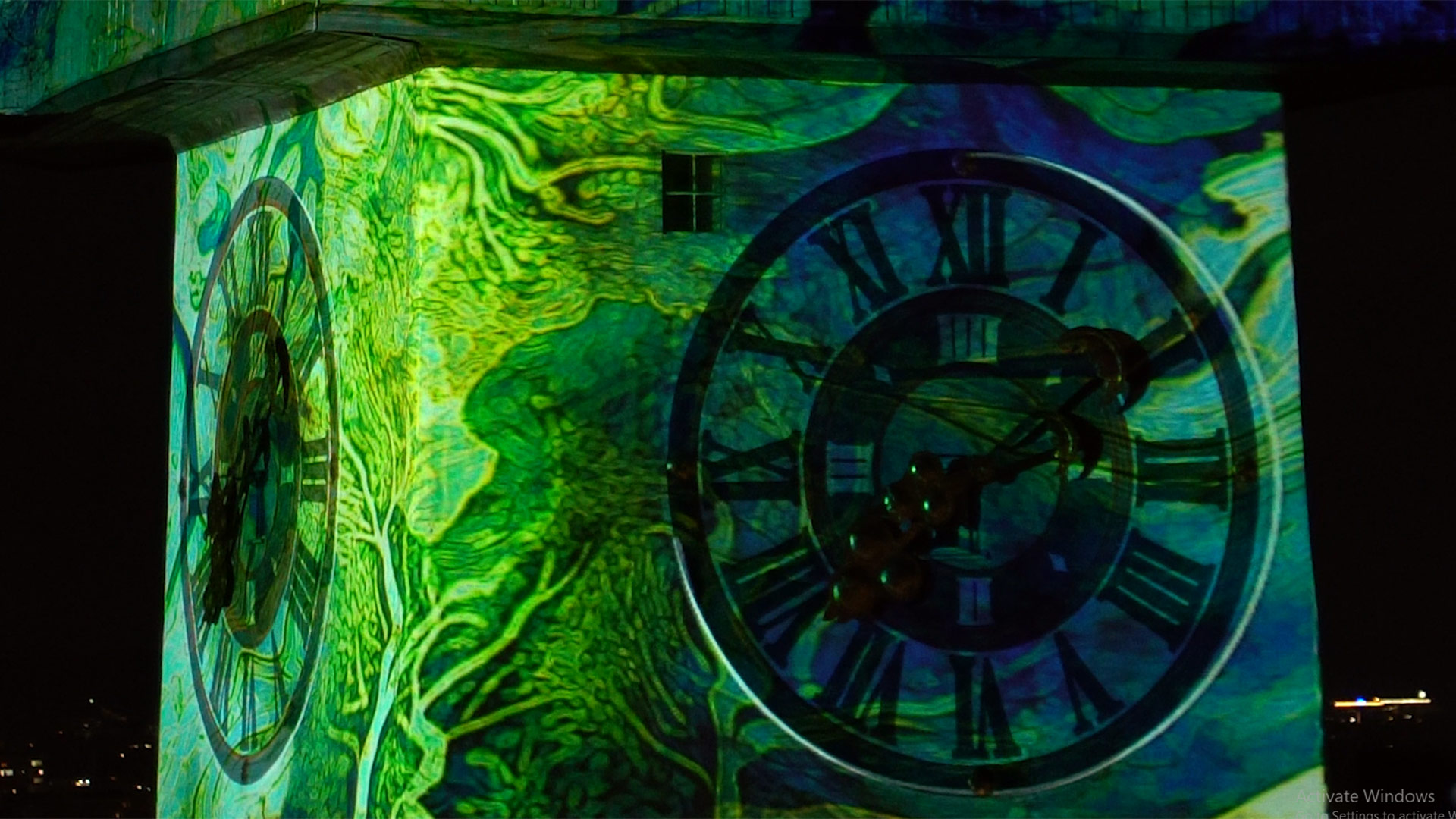
Projection: Transforming Surfaces into Canvases Projection is one of the most versatile technologies in modern art. It allows artists to transform any surface into a dynamic canvas, using light to create images and visual effects that can be either static or in motion. This technique has been used in a wide range of contexts, from museum installations to outdoor events.
At the Palacio de la Magdalena, we used projection to transform the iconic space into a spectacle of light and color. The projected images moved and changed in response to music, creating a multisensory experience that captivated hundreds of viewers.
This ability to adapt projected content to different environments and events makes projection an invaluable tool for modern artists.
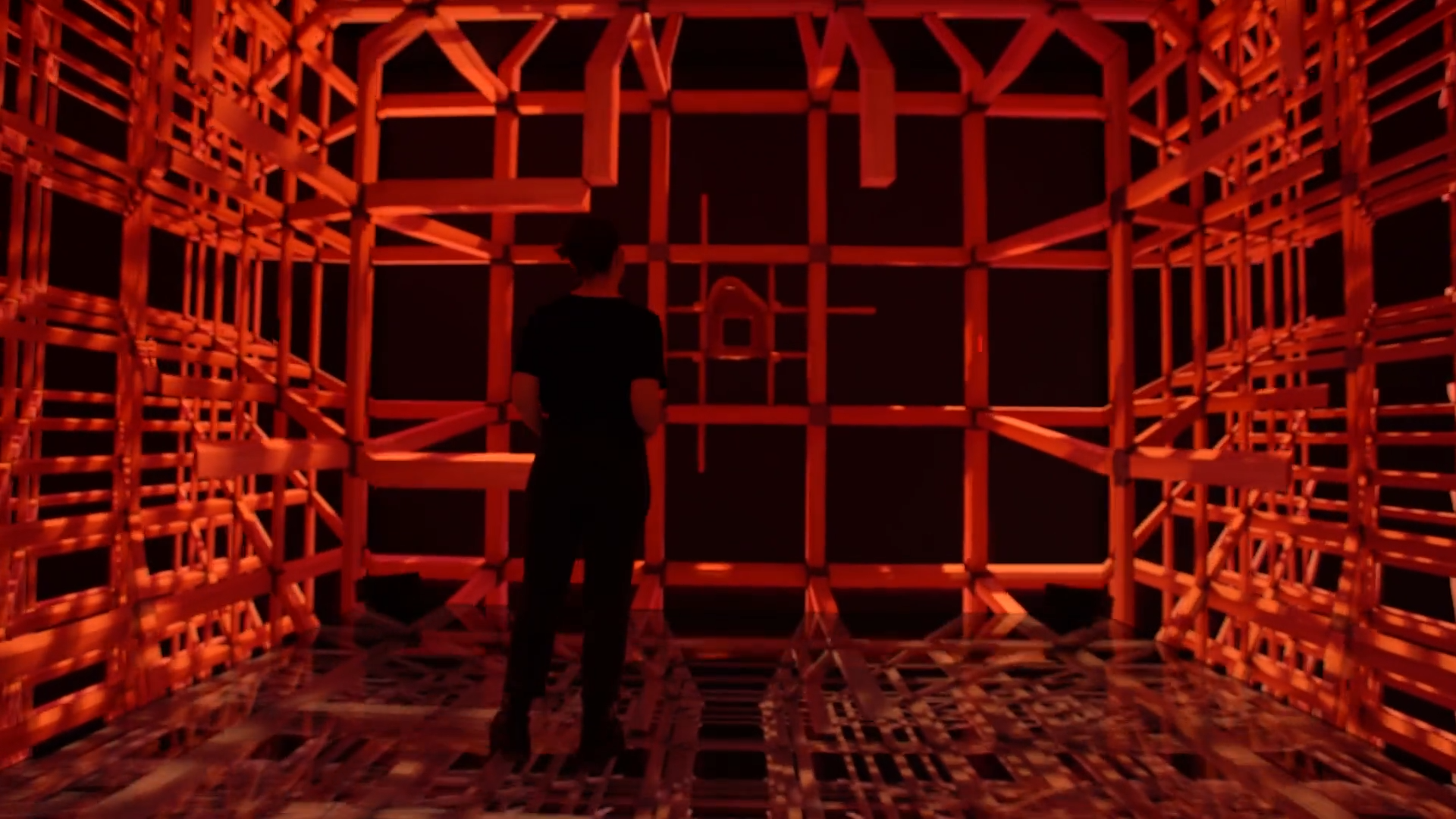
LED Screens: Innovation and Creativity LED screens have revolutionized contemporary art by offering a flexible and efficient platform for creating digital artworks. With their ability to emit vibrant colors and intense brightness, LED screens can be used to create installations that are both visually impressive and energy-efficient.
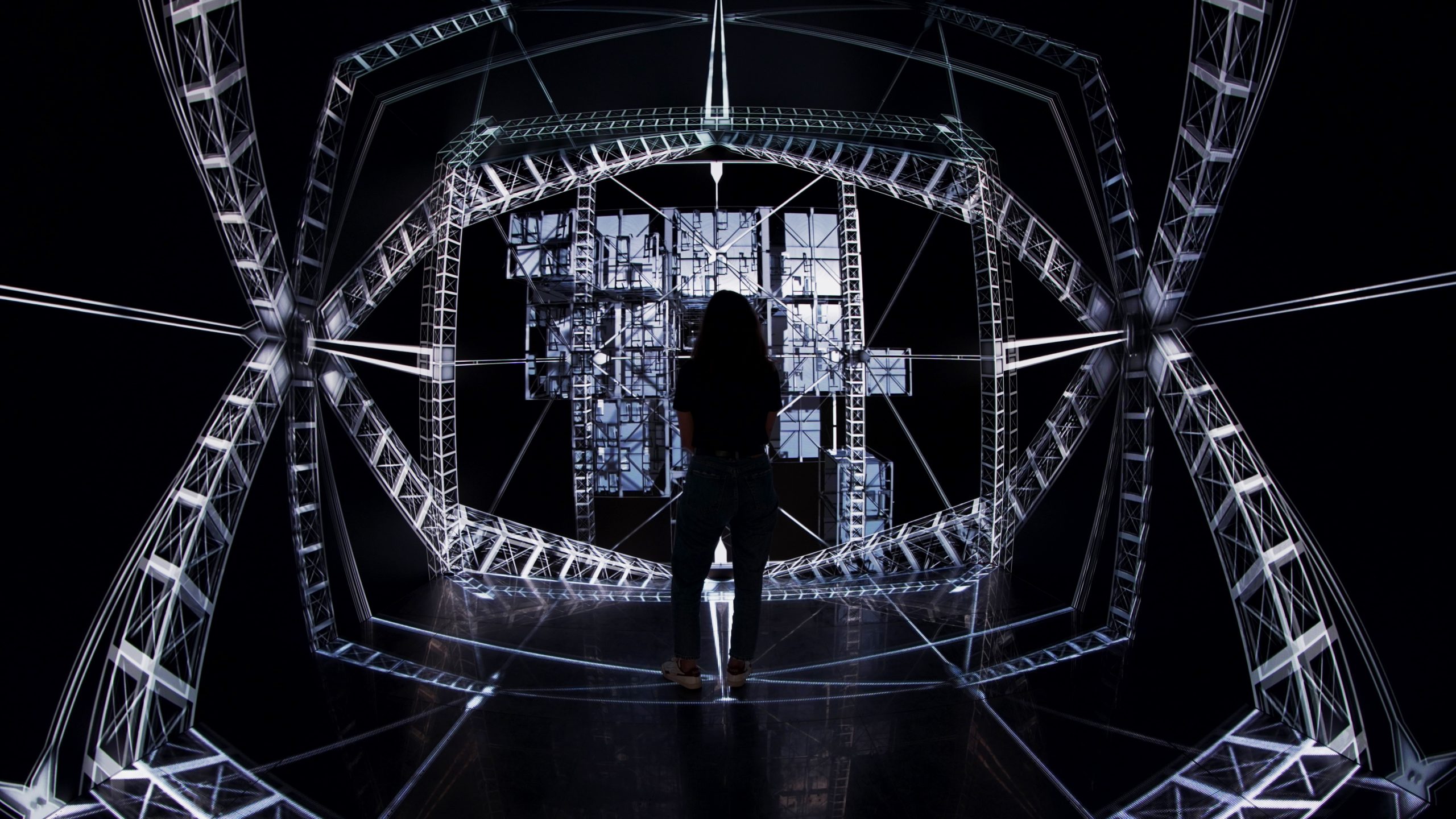
For example, in The Paradoxa Cube, we used LED screens to create an installation that projected our immersive piece Paradoxa. The screens and the floor showed a journey through time and temporal jumps. The quality of LED screens is one of their main advantages, allowing artists to create powerful works.
Interactivity: People Define the Action Interactive spaces represent one of the most innovative technologies in modern art. Using sensors and projections, these spaces can react to people’s movements, creating a dynamic and participatory experience. This technology has been used in a variety of contexts, from museums to commercial events, to engage and entertain visitors.
In Desigual Sonar, we installed an interactive floor that allowed visitors to interact with the content projected on it. As they walked through the room, the images beneath their feet changed and responded to their movements, creating a unique experience. This combination of technology and art not only enriches the viewer’s experience but also offers new opportunities for awareness and education.
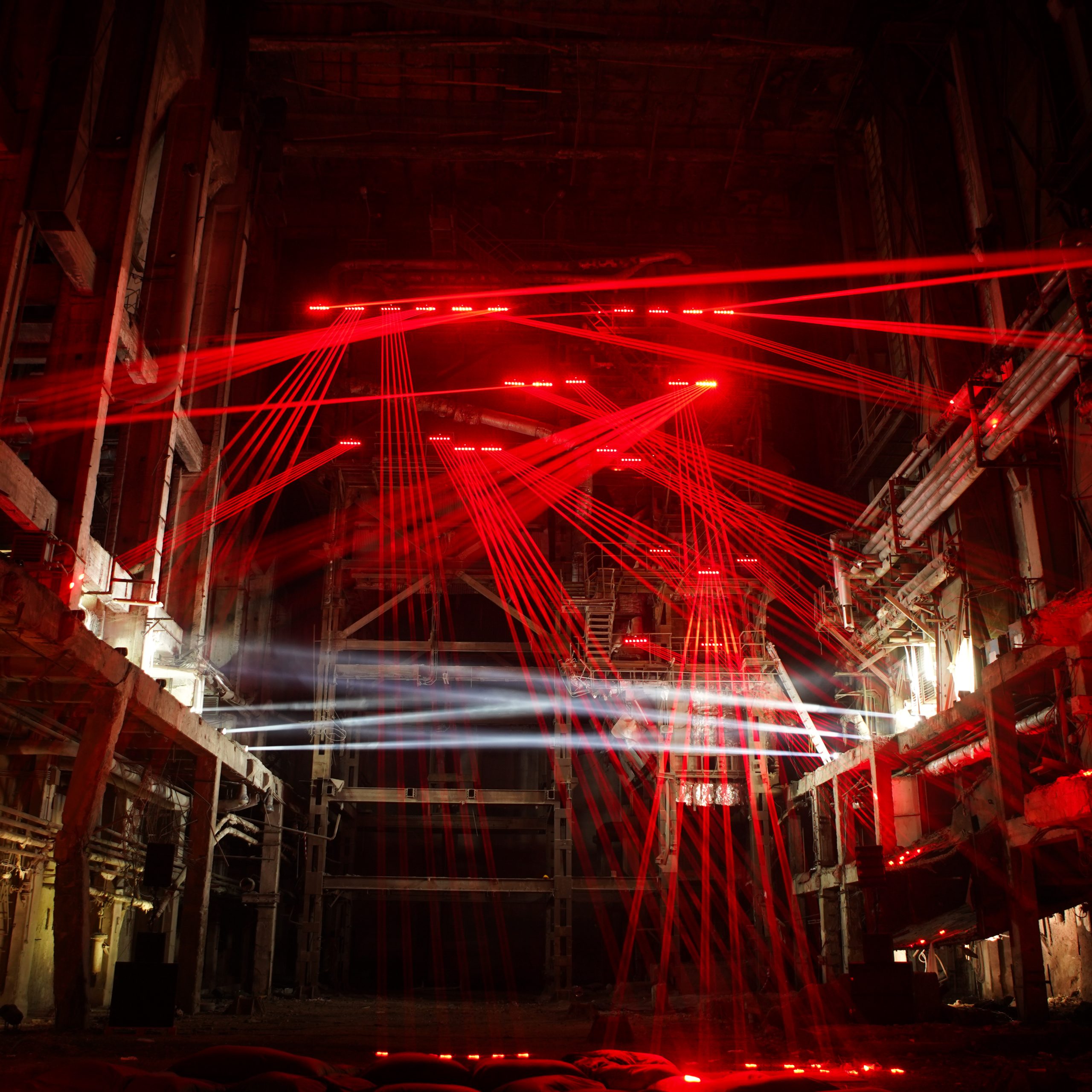
Lasers: Precision and Spectacle Laser technology has added a new dimension to modern art, providing a tool for creating striking visual effects. Lasers can be used to outline shapes, create patterns, and generate movements that capture the viewer’s attention. Moreover, the ability to synchronize lasers with music and other installation elements enhances the multisensory experience.
In Termikus, we used lasers to create an installation that combined light and sound movements, synchronized to offer a hypnotic spectacle. Laser beams drew geometric figures in the air, while the music guided the rhythm of the show, creating an immersive atmosphere that captivated visitors.
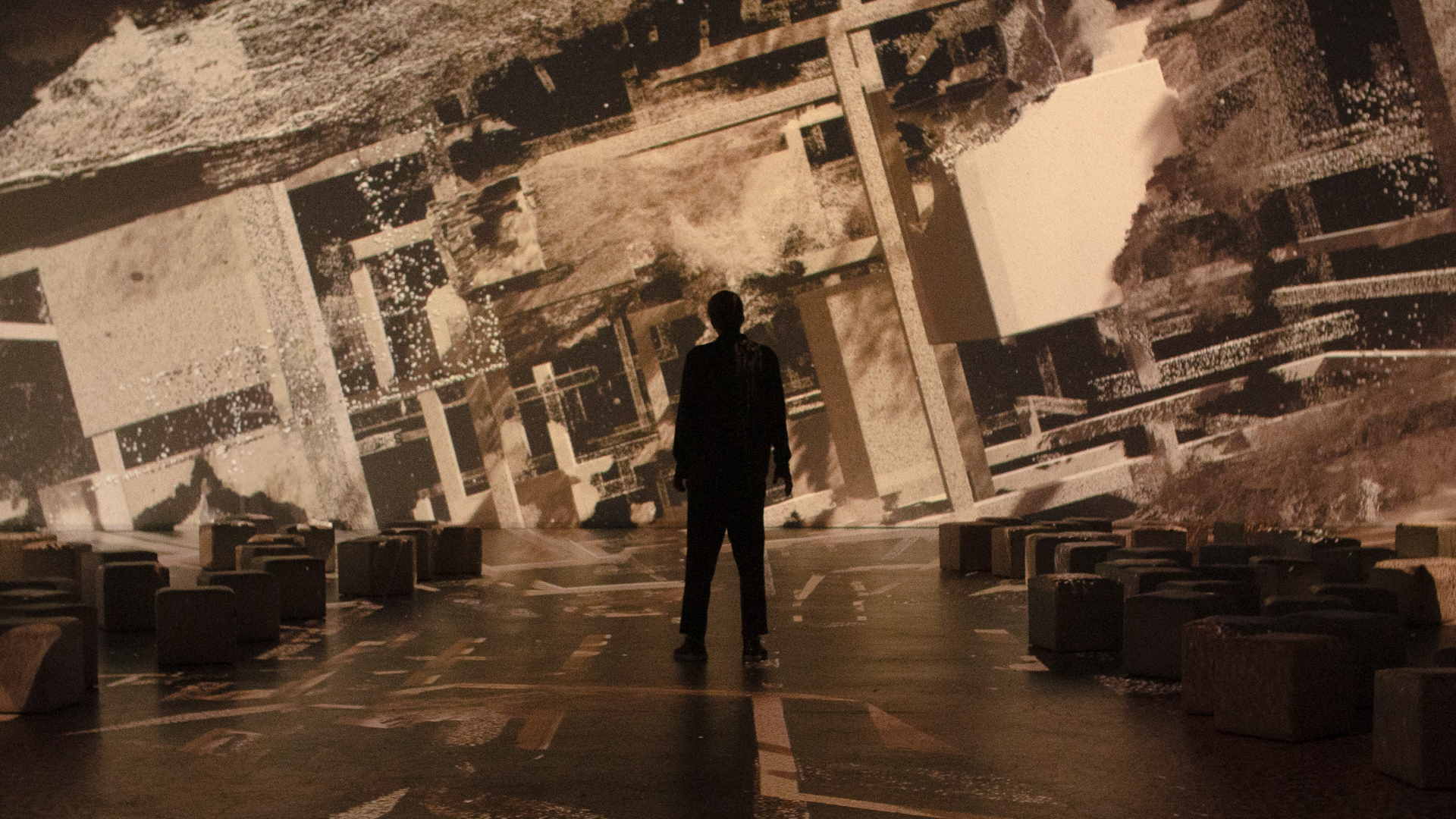
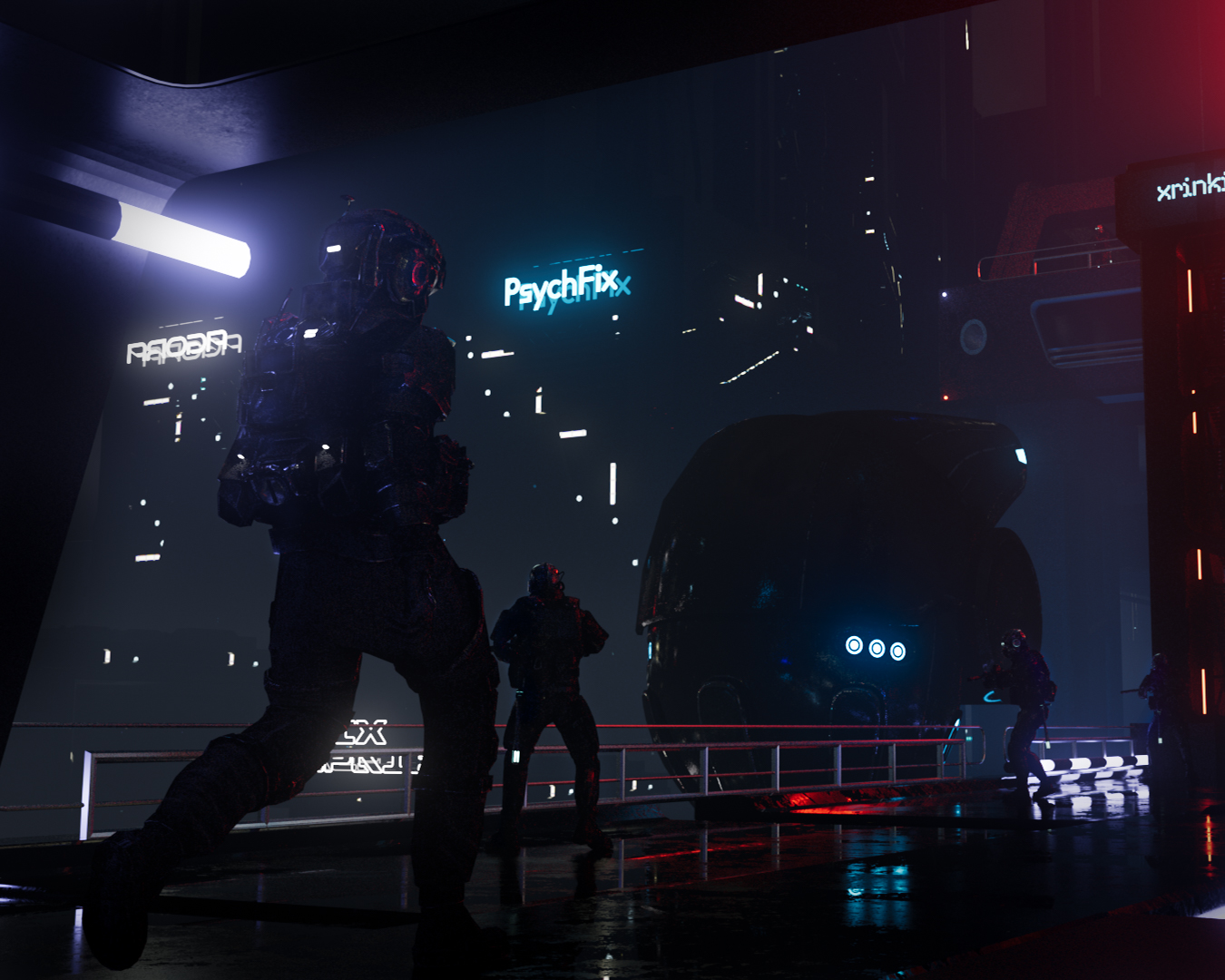
Virtual and Augmented Reality: Expanding Horizons Virtual reality (VR) and augmented reality (AR) have opened new possibilities in art, allowing artists to create entirely new worlds and experiences that defy the physical limitations of space. VR offers a fully immersive environment where viewers can explore and interact with artworks in unprecedented ways, while AR overlays digital elements onto the real world, adding layers of meaning and context.
In The Outcome, we developed a virtual reality piece that allows users to immerse themselves in three dystopian worlds. Equipped with VR headsets, visitors can explore three different futures, each presenting a unique scenario for humanity. This experience stands out not only for its total immersion but also for its ability to raise awareness among viewers as they explore these possible futures.
Integration of Different Technologies At Onionlab, we have also integrated these technologies into several of our projects to create immersive experiences that stand out for their innovation and creativity. For example, at the Spain Pavilion for Expo 2020, we used a combination of projection, LED screens, and interactive floors to transform the exhibition journey into a multisensory experience that told a visual and dynamic story.
Another notable example is Presented BY Riyadh, where we implemented augmented reality to enrich the experience in a shoe store. Visitors could walk through the space while simulated water appeared beneath their feet, and LED screens projected digital images of sneakers recreated with water effects.
Future of Technologies in Modern Art The future of modern and digital art is linked to the evolution of technology. With each technological advance, new opportunities for creativity and innovation emerge. Technologies such as projection, LED screens, interactive floors, and virtual and augmented realities will continue to play a crucial role in how art is created and experienced.
At Onionlab, we continue to explore and develop new ways to integrate these technologies into our work, always striving to push the boundaries of what is possible and offer our viewers experiences that are both visually impactful and emotionally resonant. We believe that the combination of art and technology not only enriches culture but also inspires new ways of thinking and seeing the world.
In conclusion, the integration of advanced technologies like projection, LED screens, interactive floors, and virtual and augmented reality is transforming modern art. These tools allow artists to create works that are interactive, immersive, and capable of engaging the viewer in profound and meaningful ways. As we continue to explore these technologies, we can expect art to keep evolving, offering new and exciting experiences for everyone.